October 30, 2026

Chestnuts and coffee have been keeping each other company in Italian kitchens for generations. One is sweet, starchy and softly bitter at the edges; the other is hot, dark and bracing. Put them together and each makes the other taste more like itself. The useful thing about chestnuts, if you are planning an afternoon break, is how little they demand: a vacuum-packed bag of cooked chestnuts or a scoop of chestnut flour gets you most of the way, and none of the five recipes below needs more than half an hour of hands-on work.
These are break-time recipes, not dessert-trolley projects. Two or three bites per person, a small cup of coffee, a plate that looks like you meant it. Make one, or make three and set them out together.
Start With Good Chestnuts
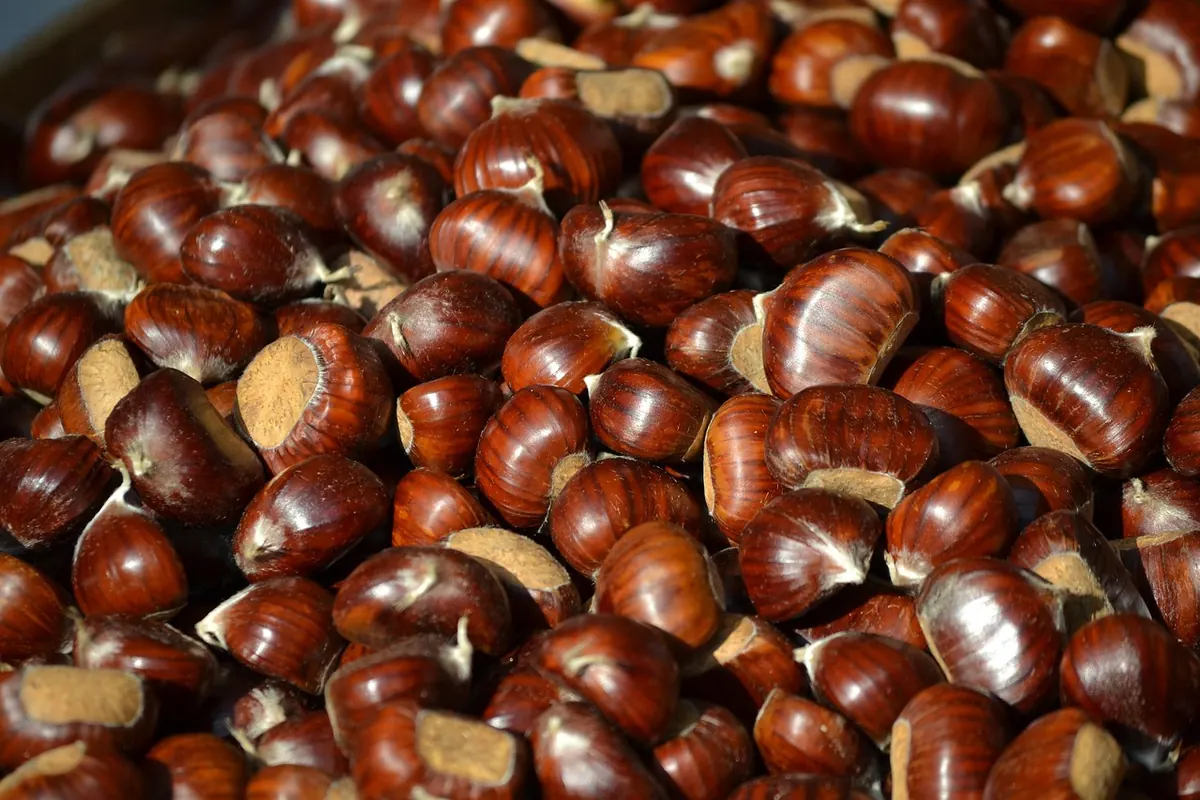
Fresh chestnuts have a short season and a fiddly peel; the rest of the year, buy cooked ones and save yourself the argument. Whatever you use, taste a piece before you add sugar — chestnuts vary in sweetness from batch to batch, and a recipe written for one bag can be too sweet for the next.
- Vacuum-packed cooked chestnuts are the workhorse. Rinse them, pat them dry, and mash while slightly warm so they break down smoothly.
- Dried chestnuts need an overnight soak, then a gentle simmer for 40 to 45 minutes until they crush easily between your fingers.
- Fresh chestnuts in season can be scored and roasted at 200°C for 25 to 30 minutes, or boiled for 30 to 40 minutes. Peel while hot, and accept that a few will fight you.
- Chestnut flour is naturally gluten-free and behaves differently from wheat: it browns fast, holds little structure on its own, and tastes faintly bitter raw. Sift it, and keep the bag in the fridge or freezer once opened.
1. Chestnut and Ricotta Crostini
The savoury one to start with, because it comes together in ten minutes and looks handsome on a wooden board. Mash 150 g of cooked chestnuts with a fork, a tablespoon of olive oil and a pinch of salt until you have a rough, chunky paste — resist the urge to purée it, as the texture is half the appeal. Fold in 200 g of well-drained ricotta, plenty of black pepper and the finely grated zest of half an orange.
Slice a sourdough loaf thinly, brush with olive oil and toast the slices until they are crisp at the edge but still give slightly in the middle. Spread each one generously, scatter with a few small rosemary leaves, and finish with a thread of olive oil. Serve them barely warm or at room temperature; cold from the fridge the bread goes leathery. This is the recipe to pair with a straight espresso, since the fat in the ricotta softens the coffee's bite.
2. Chestnut Cream in Little Glasses
Chestnut cream is the most useful thing you can make with a bag of chestnuts, because it doubles as a spread, a filling and a base for the truffles further down. Simmer 250 g of cooked chestnuts with 200 ml whole milk, two tablespoons of sugar, a pinch of salt and a split vanilla pod for 10 minutes, until the milk has mostly been absorbed and the chestnuts are soft. Off the heat, add 30 g of butter, blend until smooth, then push the mixture through a sieve — thirty seconds of pushing, and the difference between grainy and silk.
Spoon it into small glasses while warm, cool, then chill for at least an hour. At serving time, add a spoonful of lightly whipped cream and a grating of dark chocolate, or keep it plain and let the chestnut do the talking. It keeps for four to five days covered in the fridge. A cappuccino or a flat white suits it better than an espresso — milk against chestnut is a gentler match than water against chestnut.
3. Chestnut Flour Shortbread
Chestnut flour makes a tender, faintly sweet biscuit that is exactly the right size for a coffee cup. Rub 100 g of cold butter into 150 g of chestnut flour, 100 g of plain flour, 60 g of sugar and a pinch of salt until the mixture looks like fine crumbs, then bring it together with one egg yolk and a teaspoon of cold water. Work quickly, shape into a disc, wrap and rest in the fridge for 30 minutes. Chestnut flour has no gluten to relax, so a short rest is enough.
Roll the dough to about 5 mm — thinner and the biscuits break at the edges — cut into rounds, and bake at 170°C for 12 to 15 minutes. Watch them closely for the last few minutes: chestnut flour goes from golden to dark faster than wheat does. Cool completely on a rack before storing; they keep for a week in a tin. Dip half of each biscuit in melted dark chocolate if you want the plate to look more deliberate than it was.
4. Chestnut, Sage and Pecorino Frittata Bites
The savoury anchor for a break that needs to hold people until dinner. Beat six eggs with 50 g of grated pecorino, a good grind of pepper and a pinch of salt. Chop 100 g of cooked chestnuts into pieces roughly the size of a pea — too fine and they vanish into the egg.
Warm a little olive oil and butter in a 20 cm ovenproof pan, fry eight or ten sage leaves for 20 seconds until they crisp, and lift them out. Pour in the eggs, scatter over the chestnuts, cook gently for four or five minutes until the base sets, then finish under a hot grill for two or three minutes until the top is just firm. Slide it onto a board, lay the sage on top, and cut into small wedges once it has cooled a little. Serve at room temperature, not hot — a warm frittata tastes of nothing at a coffee break, while a room-temperature one tastes of everything.
5. Chestnut and Dark Chocolate Truffles
No oven, no flour, and the sort of thing people assume you fussed over. Warm 30 ml of cream, pour it over 100 g of chopped dark chocolate and a pinch of salt, and stir until the chocolate melts. Fold in 200 g of the chestnut cream from earlier, or 200 g of well-mashed cooked chestnuts beaten with a tablespoon of honey. Chill the mixture for an hour, until it is firm enough to scoop.
Roll walnut-sized balls with cool hands, working fast so the mixture does not warm up, then roll them in cocoa powder, crushed toasted hazelnuts or a little extra cocoa mixed with sugar. Keep them in the fridge and bring them out ten minutes before serving; they are better cold but not ice-cold. One per person, on a small plate beside the cups, is plenty.
Matching the Coffee to the Plate
Chestnuts sit on the sweet-starchy side of the flavour map, and they respond best to coffee with some body and a little bitterness to cut through them.
- Espresso with the ricotta crostini and the truffles — the short, bitter shot stops both from feeling heavy.
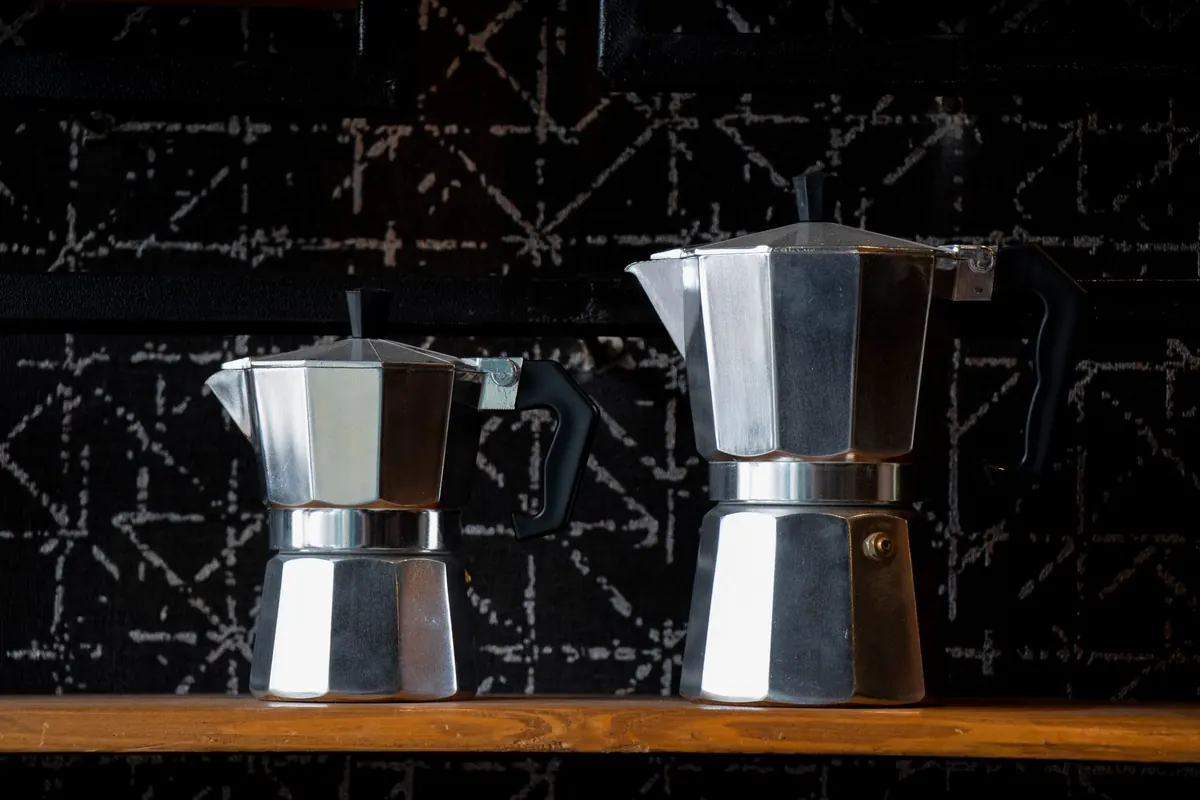
- Moka pot coffee, served slightly longer, with the frittata and anything else savoury.
- Cappuccino or flat white with the chestnut cream and the shortbread, where milk and chestnut read as one soft flavour.
- Filter coffee if the tray is large and people are lingering; a medium roast with some nuttiness works better here than anything very dark.
If you are serving several people, put a jug of hot water on the table as well. Coffee and chestnuts are both on the dry side, and most guests will appreciate the option.
Building the Afternoon Tray
Aim for two or three pieces per person and pick across the sweetness line: one savoury, one sweet, one biscuit. Make the chestnut cream and the truffle mixture the day before, bake the shortbread in the morning, and assemble the crostini and the frittata close to serving time so nothing goes soft. Nothing on this list needs to be served hot, which is the point — a coffee break should not keep you in the kitchen while everyone else is talking.
Set out a small plate for each item, keep the truffles in the fridge until the last moment, and stack the cups where people can help themselves. If you are catering to guests with dietary needs, do check the ingredient labels on bought chestnuts and any dark chocolate you use, and note that chestnut flour, though gluten-free, is not a straight swap for wheat flour in other recipes. Beyond that, a pot of coffee, a board of chestnut things, and a table nobody rushes away from is a good afternoon by any measure.
Photo: StockSnap / Pixabay