October 05, 2026
A bag of chestnut flour behaves nothing like the wheat flour in your cupboard. It is milled from dried nuts rather than grain, it smells of honey and woodsmoke, and it keeps a much shorter memory: leave it open on a warm shelf and it will taste bitter long before the bag is empty. Most of the questions home bakers ask about it are not about recipes at all, but about handling — where to keep it, whether sifting is really necessary, and how far you can push it before a cake stops behaving like a cake. Here is the practical side of all three.
What You Are Actually Working With
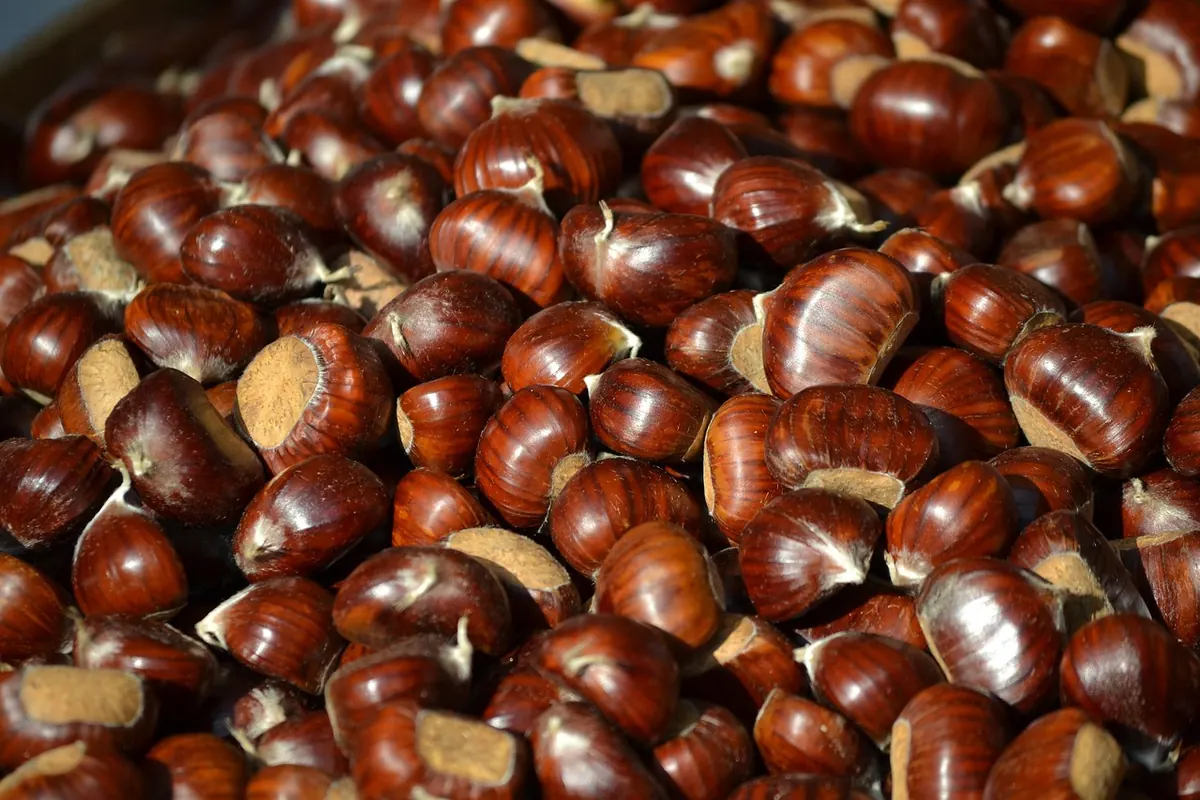
Chestnut flour — farina di castagne on Italian shelves — is ground from chestnuts that have been peeled, dried and milled fine. Because it comes from a nut and not a grain, it carries fat and sugar in a way wheat flour does not. Those two things are why it tastes so good, and why it spoils. The fat turns rancid; the sugars darken and eventually go bitter; moisture in the air finds it fast and sets it into hard little pebbles inside the bag.
And there is no gluten in it at all, which is the fact that shapes every substitution decision below. Fat, sugar, no gluten: keep those three in mind and the rest of the advice follows.
Storing It Well
Short term: the cupboard jar
Move it out of the bag and into an airtight jar or tin as soon as you open it — a clip-top jar with a rubber seal, or a screw-top tin, both work. Keep it in a dark cupboard away from the oven, the kettle and the radiator, because warmth speeds the fat on its way to going off. Write the opening date on the lid. In a cool kitchen, aim to finish the jar within two to three months; in a hot summer, sooner.
Long term: the freezer
For anything longer than a couple of months, the freezer is the honest answer. Portion the flour into small sealed bags or jars, press the air out and label them. Smaller portions matter: thawing and refreezing one big bag every time you bake lets condensation do the damage. Take out what you need, let the container stand until it reaches room temperature, then open it — otherwise moisture from the air condenses straight into the powder.
How to tell it has turned
Your nose is the best test. Fresh chestnut flour smells sweet, nutty and faintly smoky, like the nuts themselves. Flour that has gone off smells of old walnuts, crayons or a dusty cupboard, and a pinch on the tongue finishes bitter. Colour drifts from pale tan to a dull grey-brown as it ages, and mould means the whole batch goes in the bin with no salvage attempts. When in doubt, throw it out: a bitter cake is a sadder thing than a wasted half-bag.
Sifting Is Not Ceremony
Chestnut flour is finely milled, but it packs. It settles into lumps in the bag, and those lumps do not break up when you stir them into a wet batter — they sit there, absorb liquid, and leave you with dry pockets and a gritty crumb. Sifting fixes that, aerates the flour and catches the coarser bits some mills leave in.
Set a fine-mesh sieve over a wide bowl and tap the rim with the heel of your hand, letting the flour fall through on its own. If you are making a delicate cake, or the bag has been open a while, sift it twice. Sift the leaveners and spices with it: baking powder, bicarbonate of soda and cocoa all distribute far more evenly when they have been through the mesh alongside the flour.
Whatever stays behind in the sieve — usually a small spoonful of coarse, bran-like material — is not waste. Stir it into pancake batter or gnocchi dough, where texture is forgiving. No sieve? A balloon whisk in a deep bowl for a minute will break most of the clumps, but that is a second-best fix.
Substituting It in Baking
Chestnut flour has no gluten, so it cannot build the scaffolding a loaf needs on its own. In most recipes the sensible move is a partial swap: replace about a quarter of the wheat flour with chestnut flour and leave the rest alone. In pancakes, crepes, waffles and muffins — batters that need less structure — you can often push it to a third, and sometimes to half, before the texture suffers.
Some recipes are built for 100 per cent chestnut flour and are worth learning in their own right: castagnaccio, the Tuscan flatbread; necci, thin crepes cooked between chestnut leaves and filled with ricotta; and simple chestnut cakes where the flour is the flavour rather than the structure. If you are baking gluten-free, keep a commercial gluten-free blend for the remaining flour and follow its instructions on xanthan gum or psyllium.
One note if you are baking for guests: chestnut flour is a nut product, and while chestnut allergy is uncommon, it is worth asking before you serve.
Adjusting the Recipe Around It
Once chestnut flour is in the bowl, a few things change. Expect to make small corrections rather than following the recipe blind.
- Liquid. Chestnut flour drinks more than wheat. Let the batter rest for fifteen minutes before you judge it, then loosen with milk or water a spoonful at a time.
- Sweetness. It is naturally sweet, so trim the sugar slightly, especially in recipes that already contain honey or dried fruit.
- Heat. Its sugars brown quickly. Drop the oven temperature by around 10–15°C (25°F) and start checking earlier than the recipe suggests; a sheet of foil over the top stops the crust darkening before the middle is set.
- Binding. If slices crumble, add an extra egg yolk or a spoonful of yogurt next time. In gluten-free bakes, use the binder your blend calls for.
- Rest. Batters tighten as the flour hydrates. That is normal, and it is why resting matters more here than with wheat.
Where It Shines, and Where It Fights Back
Chestnut flour is at its best in quick, forgiving bakes: loaf cakes, brownies, muffins, pancakes, crepes, waffles, biscuits and shortcrust, and as a coating or thickener where its sweetness does some of the seasoning for you. It is also excellent in gnocchi and fresh pasta, where it brings colour and a faint sweetness that a sauce can play against.
It is stubborn in high-rising yeast breads, delicate sponges and laminated pastry, all of which rely on gluten networks or clean layers. You can make them work with careful blending, but that is a project, not a weeknight bake. It is not a lighter flour in
Photo: wunschbildberlin / Pixabay