October 07, 2026

You buy a bag of chestnuts in October, picture a warm bowl by the fire, and twenty-five minutes later you are prying hard little stones out of scorched shells, scraping chalky fragments off your fingers. Dry chestnuts are rarely bad luck. Almost every disappointing batch comes down to a handful of small decisions made before the nuts ever see heat: what you picked out of the crate, whether you soaked them, how you cut them, and how long you left the oven door shut. Get those right and the same variety, the same oven and the same evening can turn out very differently.
1. Buying Chestnuts That Were Already Dry
Not every chestnut deserves your oven time. Chestnuts are fresh produce with a short season, and they start losing moisture the moment they leave the tree. Before you think about scoring or soaking, pick them up and judge them by hand.
- Weight. A good chestnut feels heavier than its size suggests. If it has the density of a dry sponge, put it back.
- Sound. Shake it. A rattle means the flesh has shrunk away from the shell, and that nut is already on its way to chalk.
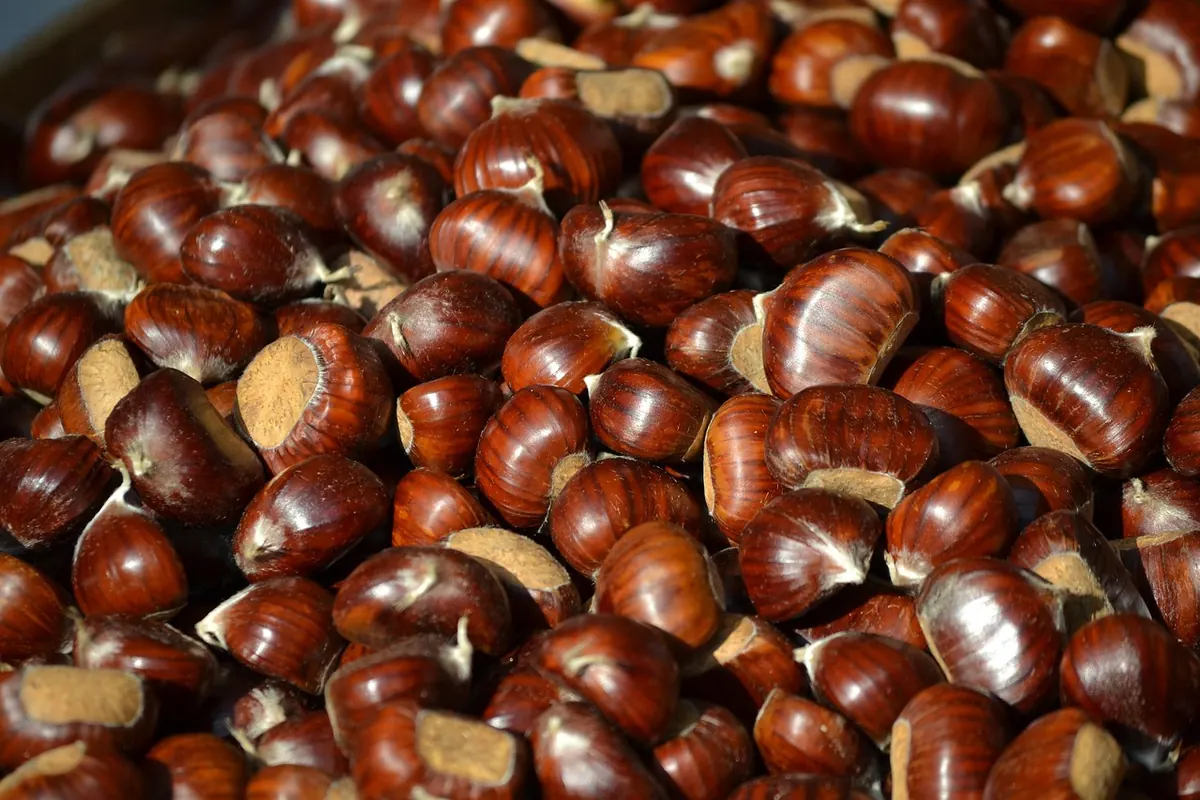
- Shell. Smooth, taut and slightly glossy, with a firm, unbroken surface. Dull, wrinkled or powdery shells are a warning sign.
- Holes and dark patches. A neat round hole means something has been living inside. Soft or mouldy spots mean the nut will taste off even after a good roast.
Buy from a shop that moves its stock, and buy only what you will roast within a week or two. A bargain sack that has spent months in a warm warehouse will fight you all evening, however careful you are.
2. Skipping the Soak, or Rushing It
This is the step most people leave out, and it is the one that does the most quiet work. A soak puts moisture back into the shell and the outer layer of the flesh, so the nut steams gently from the inside as it roasts instead of drying from the outside in. Skip it and you get a hard shell, a leathery skin and a crumbly centre.
Cover the scored nuts with warm tap water and leave them for 30 to 45 minutes. Very fresh, large chestnuts can sit overnight in the fridge. Anything that floats should be suspect: check it for holes or a soft spot and discard it if it looks wrong. Drain them, then roll them in a clean tea towel so they go into the oven barely damp rather than dripping.
A quick test before you commit
Cut one raw chestnut in half. The flesh should look creamy-pale and dense, not shrunken with a gap between nut and shell. If it is shrivelled, the whole bag will need a longer soak, and might be better simmered and puréed for soup than roasted whole.
3. Scoring Too Shallow, Too Deep, or Not at All
An unscored chestnut is a small pressure bomb, and it will let you know. But scoring badly is just as common. A cut that barely scratches the surface will not open, and you will still be wrestling with it once it cools. A cut that goes right through the flesh bleeds moisture and makes the nut split into dry shards.
Use a small serrated knife and a stable board, and work one nut at a time with your fingers behind the blade, never in front of it. Cut a single line across the flat side from end to end, pressing just until you feel the blade stop at the flesh. You want to hear the shell give, not the nut. Do this shortly before roasting rather than the night before, because a cut chestnut dries out fast.
4. Roasting Too Hot, Too Long, or Without a Check
Chestnuts are not almonds. They are dense and starchy, and they need steady heat long enough to cook through without turning to dust. Around 200°C to 220°C works for most home ovens, with smaller nuts ready in 20 minutes and larger ones closer to 30.
Lay them cut side up on the tray and shake it once halfway through so they colour evenly. Then do what most recipes forget to tell you: at the 20-minute mark, take one out, squeeze it and try to peel it. If the shell and inner skin come away easily and the flesh is tender, the batch is done. If the skin clings, give them five more minutes. Over-roasting is what turns a soft, sweet chestnut into something that crumbles into chalk, and there is no way back once the moisture is gone.
5. Crowding the Tray
Piled chestnuts trap steam, and trapped steam is not the gentle internal moisture you want. It condenses, cools the tray and leaves you with nuts that steam unevenly and never brown properly. Arrange them in a single layer with a little space between each one. If they do not fit, use a second tray rather than a deeper heap. It costs you nothing and the difference is obvious.
6. Letting Them Go Cold Before Peeling
Peel them hot. As chestnuts cool, the thin inner skin reattaches itself to the flesh and the shell tightens, and you end up digging at a cold nut with a knife and losing half of it in the process.
Take the tray out, tip the nuts into a clean towel and fold it over for four or five minutes. That trapped warmth loosens the skins. Then work through them while they are still warm, wearing thin gloves if your fingers are sensitive, peeling away both the outer shell and the papery inner layer. Keep the peeled ones in a covered bowl so they stay soft, and leave the rest wrapped in the towel as you go.
7. Storing Them Badly Before You Get Around to Roasting
Chestnuts are not pantry nuts. Left on the counter they dry out within days; sealed in a plastic bag in a warm kitchen they go mouldy even faster. Keep them in the fridge in a paper bag or a container with a little ventilation and use them within a week or two of buying. If a batch has gone hard and rattly, no amount of soaking will bring it back. Simmer those, sieve them and use the purée in a soup or a stuffing, where texture matters less.
A Short Checklist Before You Roast
- Choose heavy, glossy nuts with no holes or soft patches, and discard any that rattle.
- Soak in warm water for 30 to 45 minutes, then drain and dry lightly.
- Cut one shallow line across the flat side of each nut with a serrated knife.
- Heat the oven to 200°C to 220°C and arrange the nuts in a single layer, cut side up.
- Roast for 20 to 30 minutes, shaking the tray halfway.
- Test one at 20 minutes by squeezing and peeling it.
- Wrap the batch in a towel for a few minutes, then peel while still warm.
Chestnuts also need to be cooked before eating; raw they are bitter and hard on the stomach, so treat the roast as the finish line rather than an optional flourish. Once you have made a few good batches, the whole process takes about as long as roasting a tray of vegetables, and the reward is a bowl of soft, sweet nuts that slip out of their shells in seconds.
Photo: 089photoshootings / Pixabay