October 12, 2026
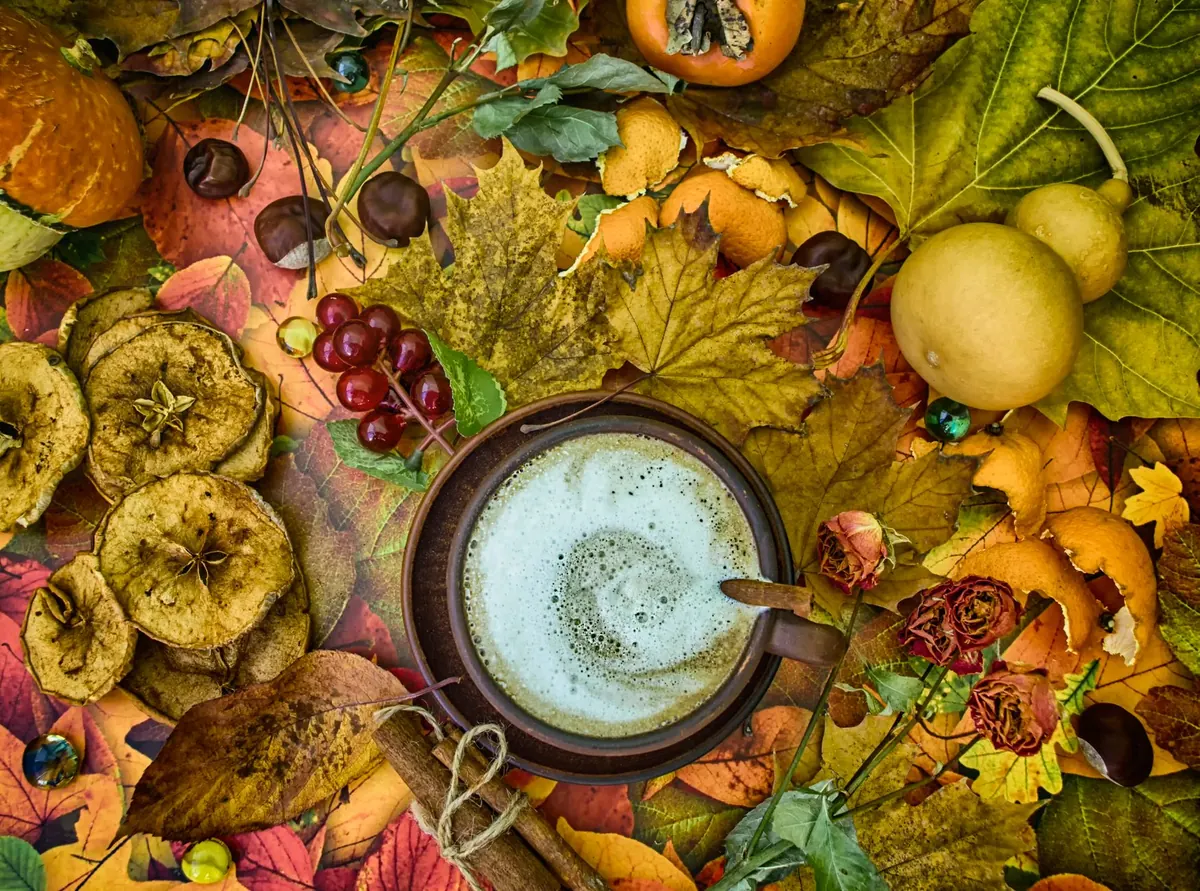
Chestnut cream sits in an odd place in the kitchen: sweet enough to eat from the jar with a teaspoon, sturdy enough to behave like an ingredient. Stir a spoonful into hot coffee and you get something that tastes like a November afternoon in the hills — sweet, faintly smoky, thick enough to coat the tongue without turning into syrup. It takes about four minutes and no equipment beyond a mug, a spoon and a small whisk.
Here is the hot version I make most often, an iced version for warmer days, and the small adjustments that fix the two problems people actually run into: lumps, and a cup that ends up too sweet.
Start With the Right Jar
Chestnut cream covers a few different products, and what you buy decides how much sugar you need. The Italian style — crema di marroni — is stiff and dense, sold in jars or tubes, sometimes scented with vanilla or rum. The French style is looser and sweeter, and pours from the tin almost like a thick syrup. Both make good coffee. Taste before you commit.
Read the label: chestnuts, sugar, water, vanilla. If glucose syrup or a long list of thickeners comes near the top, the cream will taste flat and gluey once it hits a hot drink. Unsweetened chestnut purée is a different product entirely — excellent, but you will need to stir in sugar and a little vanilla yourself.
How to Make Chestnut Cream Coffee, Hot
For one mug: 150 ml milk, one espresso (about 30 ml) or 120 ml strong brewed coffee, one heaping tablespoon (roughly 20 g) chestnut cream, a pinch of fine salt, cocoa to finish.
- Loosen the cream first. Cold chestnut cream is stiff and lands in coffee as one stubborn lump. Put the spoonful in the mug, add a splash of very hot water or hot milk, and whisk with a fork until it looks like a pourable paste. Ten seconds now saves you a gritty cup later.
- Brew strong coffee. A dark, slightly bitter brew balances the sugar better than a mild one. Instant works in a pinch; use a little less water than the tin suggests.
- Heat the milk to just below a simmer. You want it hot and steamy, not boiling, which makes it taste cooked.
- Build in stages. Whisk a third of the hot milk into the loosened cream, then the coffee, then the rest of the milk. Adding liquid gradually keeps the mixture smooth.
- Taste before you add anything else. Chestnut creams vary in sweetness, so adjust with more coffee rather than more milk.
- Finish with a dusting of unsweetened cocoa and that pinch of salt, which sharpens the chestnut flavour.
Ratios worth remembering
One heaping tablespoon to 150 ml of milk and an espresso is a balanced, gently sweet cup — closer to a flavoured latte than a dessert. Two tablespoons pushes it into pudding territory: good after dinner, too much at seven in the morning. If you skip the milk, stay near one tablespoon per 120 ml of coffee, because nothing is there to dilute the sugar.
Four Variations Worth Trying
- Chestnut mocha. Whisk half a teaspoon of unsweetened cocoa into the cream before the hot liquid goes in. Bitter cocoa stops the drink tipping into candy.
- A teaspoon of rum. Added off the heat, right at the end. Brandy works too. Skip it if you are serving anyone who should not be drinking alcohol.
- Espresso only. No milk: loosen a teaspoon of cream directly with hot espresso in a small cup. Intense, thick, done in ninety seconds.
- Orange and chestnut. Rub a strip of orange zest around the warm mug, or add a little zest while the cream loosens. The citrus lifts the smoky sweetness.
The Iced Version
Chestnut cream does not dissolve in cold liquid. Dropped into iced coffee it sinks and sulks, leaving sweet sludge at the bottom and a bitter drink on top. The fix is the same loosening step as the hot recipe, done deliberately and chilled.
The jar method
Put one heaping tablespoon of chestnut cream in a small jar with 60 ml of hot espresso, or two tablespoons of hot water plus 60 ml of strong coffee. Screw the lid on and shake for fifteen seconds. It will look thin and slightly foamy, and it will be completely smooth. Fill a glass with ice, add 150 ml of cold milk, pour the concentrate over, and stir once. Cold brew works well here too — lower in acidity, and it lets the chestnut come through.
For something closer to dessert, spoon the cream over a little whipped cream floating on iced coffee and stir it down as you drink. Not elegant, but effective.
When It Goes Wrong
- Lumps at the bottom. The cream was cold and stiff. Loosen it in the mug with hot liquid before anything else goes in.
- Grains or grit. Some jarred creams are deliberately textured. Push the loosened cream through a fine sieve if you want it silky.
- A scummy surface. Usually very acidic coffee meeting milk. Add the milk to the cream first, then the coffee, and keep the coffee on the darker side.
- Too sweet. More coffee, not more milk — milk softens the bitterness but leaves the sugar behind. A pinch of salt and a dusting of cocoa also pull it back into balance.
If You Want to Make the Cream Yourself
It is a slow afternoon job rather than a difficult one. Simmer cooked, peeled chestnuts with about half their weight in sugar, a split vanilla pod and enough water to just cover. After 30 to 40 minutes the chestnuts should crush against the side of the pan; mash them, push the mixture through a sieve or blend it smooth, then cook it down until a spoon leaves a clear trail. Vacuum-packed cooked chestnuts work fine and save an hour of peeling. Homemade cream is usually softer than the shop version, so use a slightly smaller spoonful. Anyone with a chestnut allergy should not substitute another nut cream without checking with a doctor first.
Before You Start
Chestnut cream keeps well. An opened jar belongs in the fridge, and a clean spoon each time will see it through several weeks; it freezes in small portions too, which is handy if you only use a tablespoon at a time.
Begin with one heaping tablespoon per mug and adjust on the second cup rather than the first. Warm the mug if you can be bothered — it makes a real difference on a cold morning. And keep the jar next to the coffee rather than in the baking cupboard. Once it is within reach it goes into hot milk, over ice cream, and onto toast with nothing more than a knife. That is how a chestnut coffee turns into a habit rather than a recipe.
Photo: Yuliia Laptieva / Pexels